Roadside guides you can use.
Short driver-focused walkthroughs of the breakdown jobs every Los Angeles driver should know. Each guide comes with step-by-step instructions and a clear line on when to stop and call a tow.
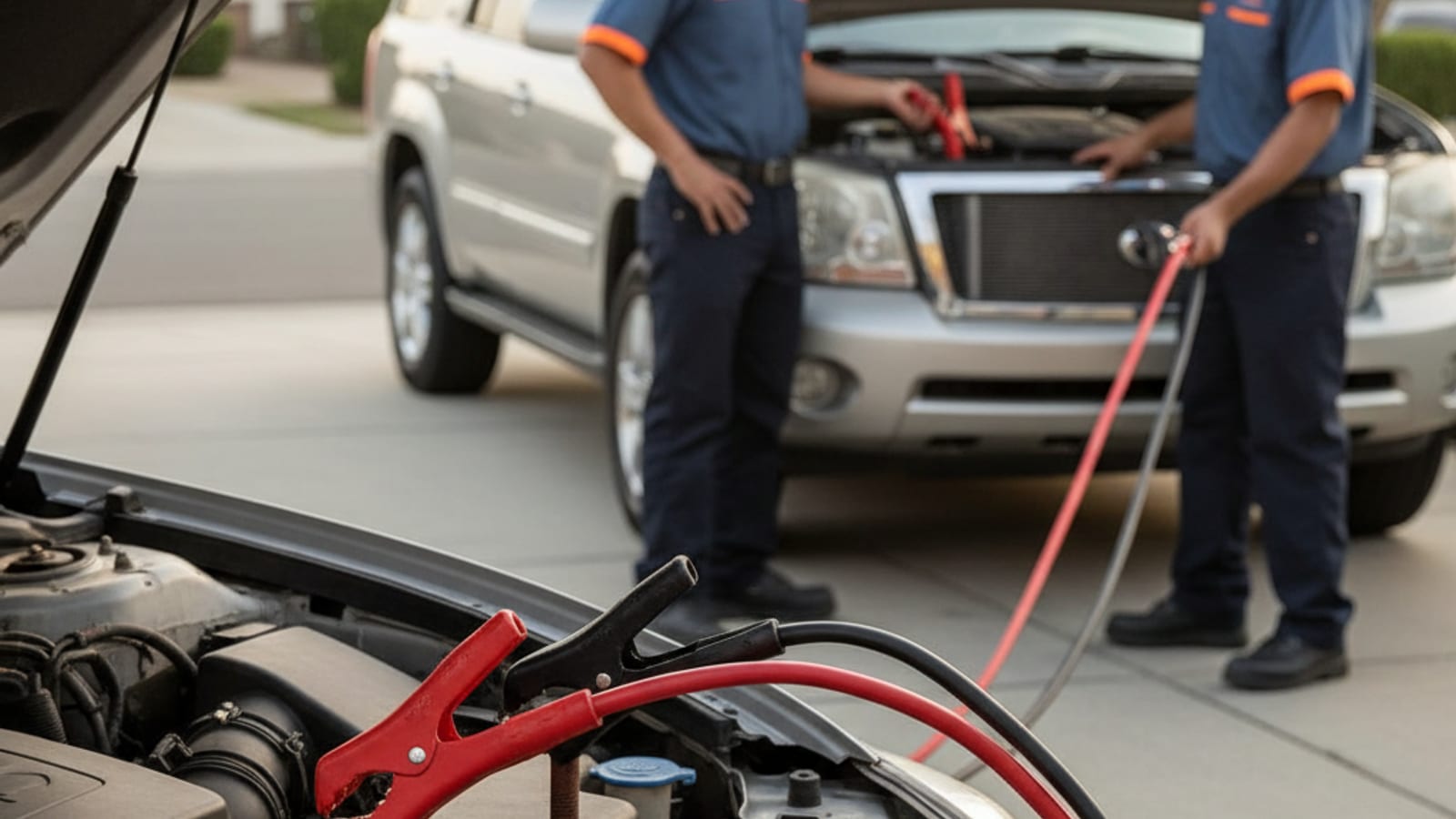
What roadside fixes can you handle yourself?
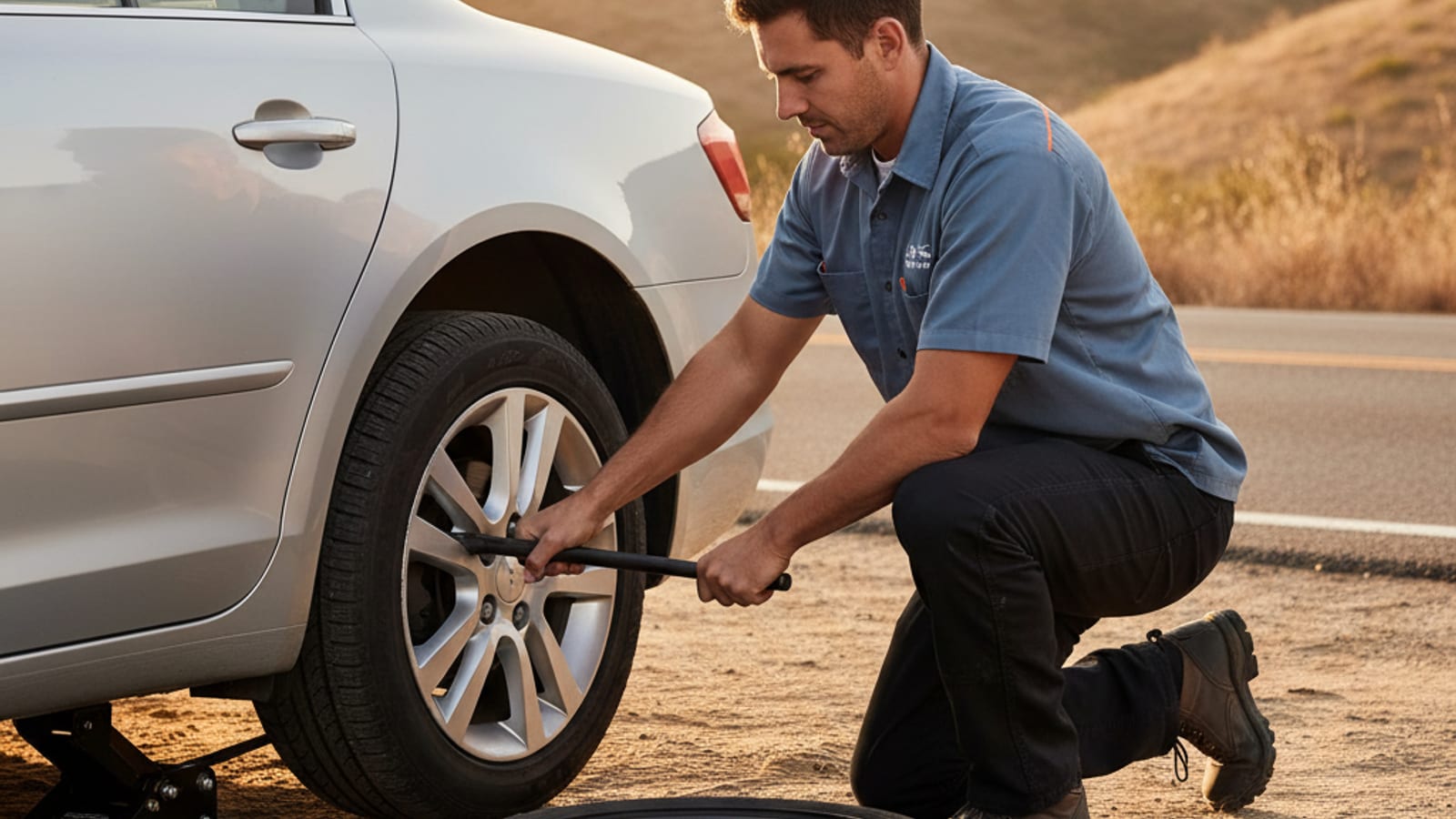
Change a flat tire on the side of the road
First decide if you have a safe, firm, level place to work. If not, stay belted unless there is fire or smoke, and call for help.
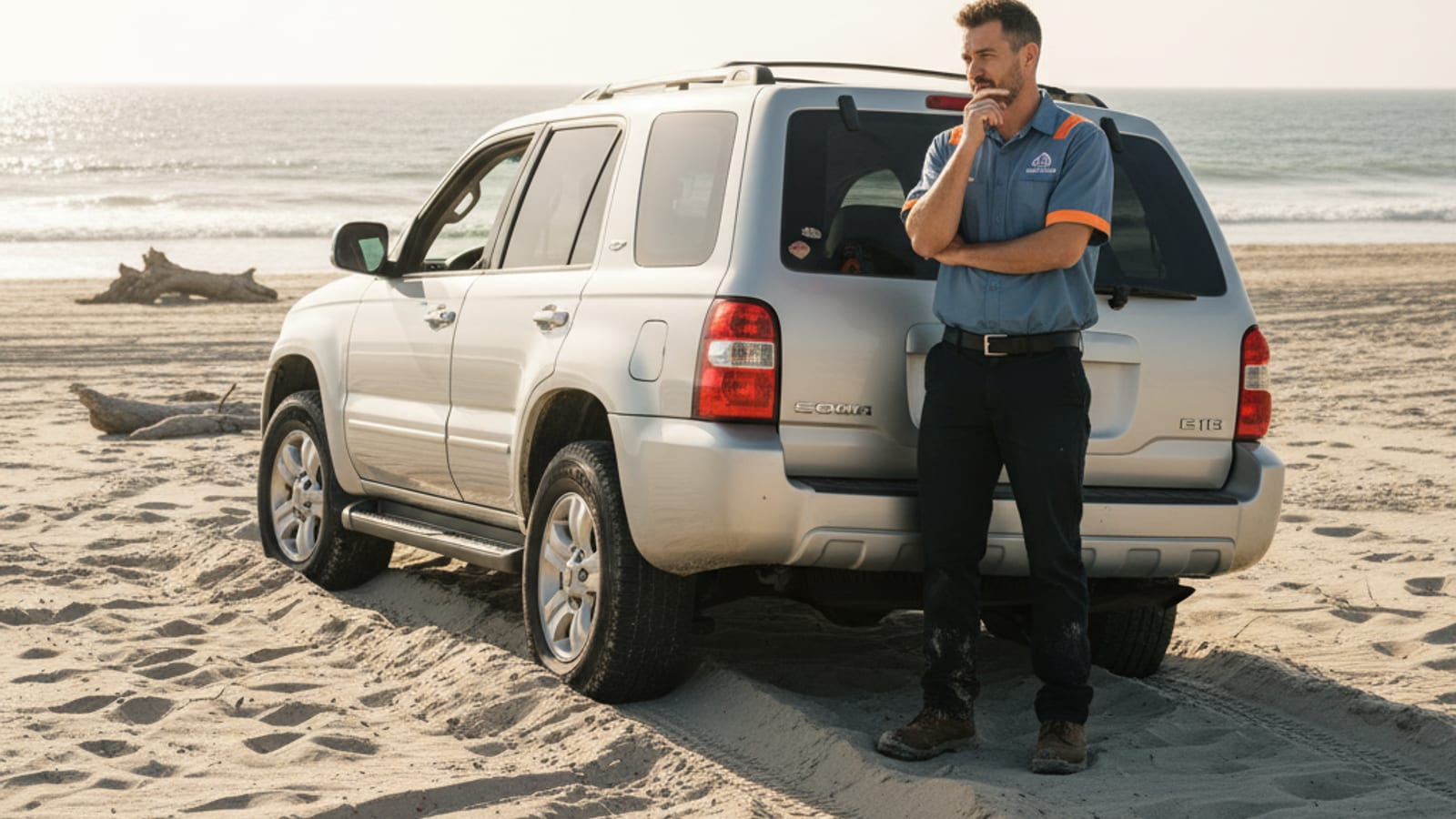
What to do when stuck in sand or mud
The Angeles National Forest fire roads, Malibu canyons, and Antelope Valley desert eat vehicles weekly. The first thing to do is stop making it worse.
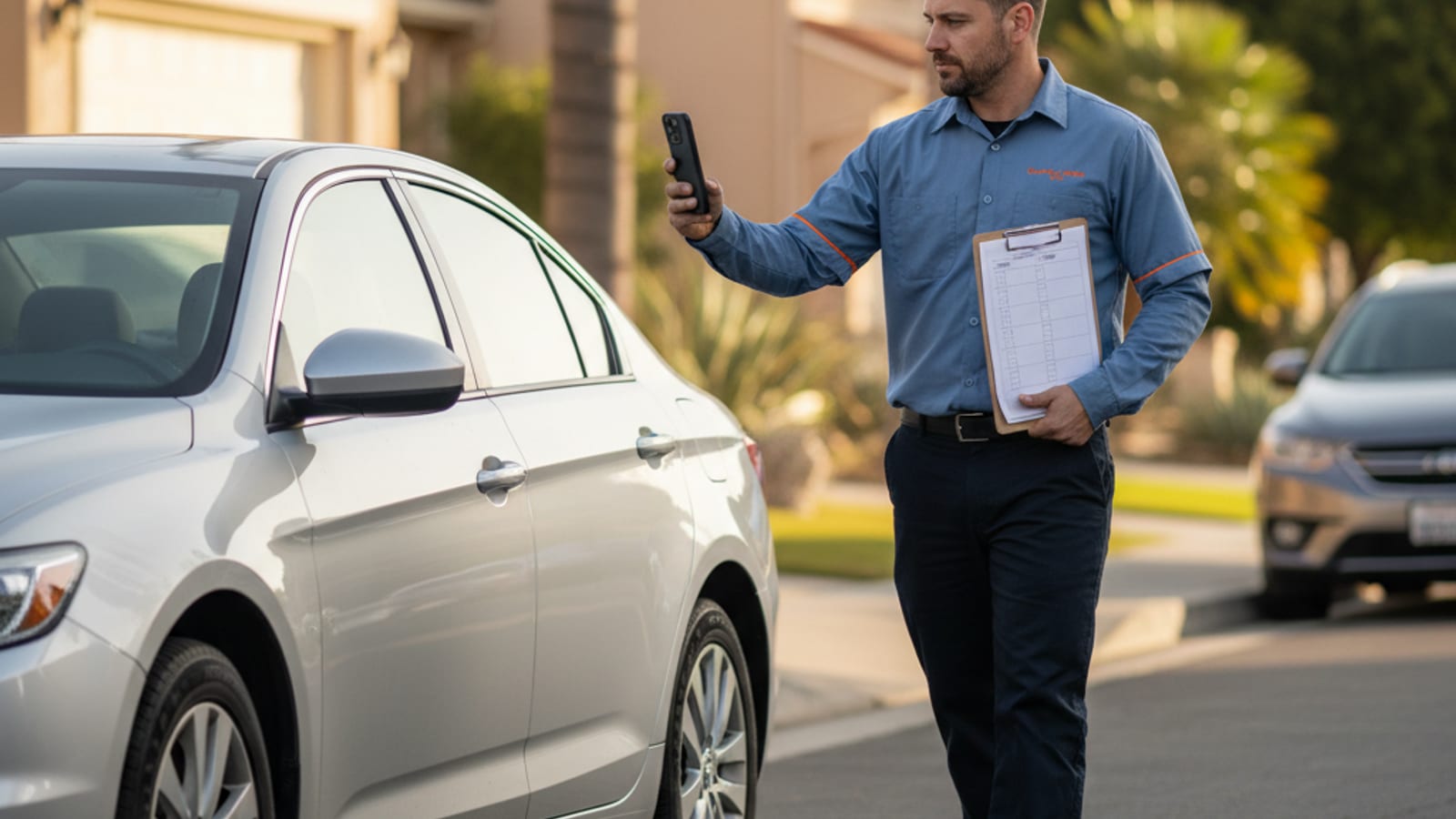
Prepare your vehicle for a tow
A few minutes of prep before the tow truck arrives saves time, avoids damage, and makes the whole call go faster.
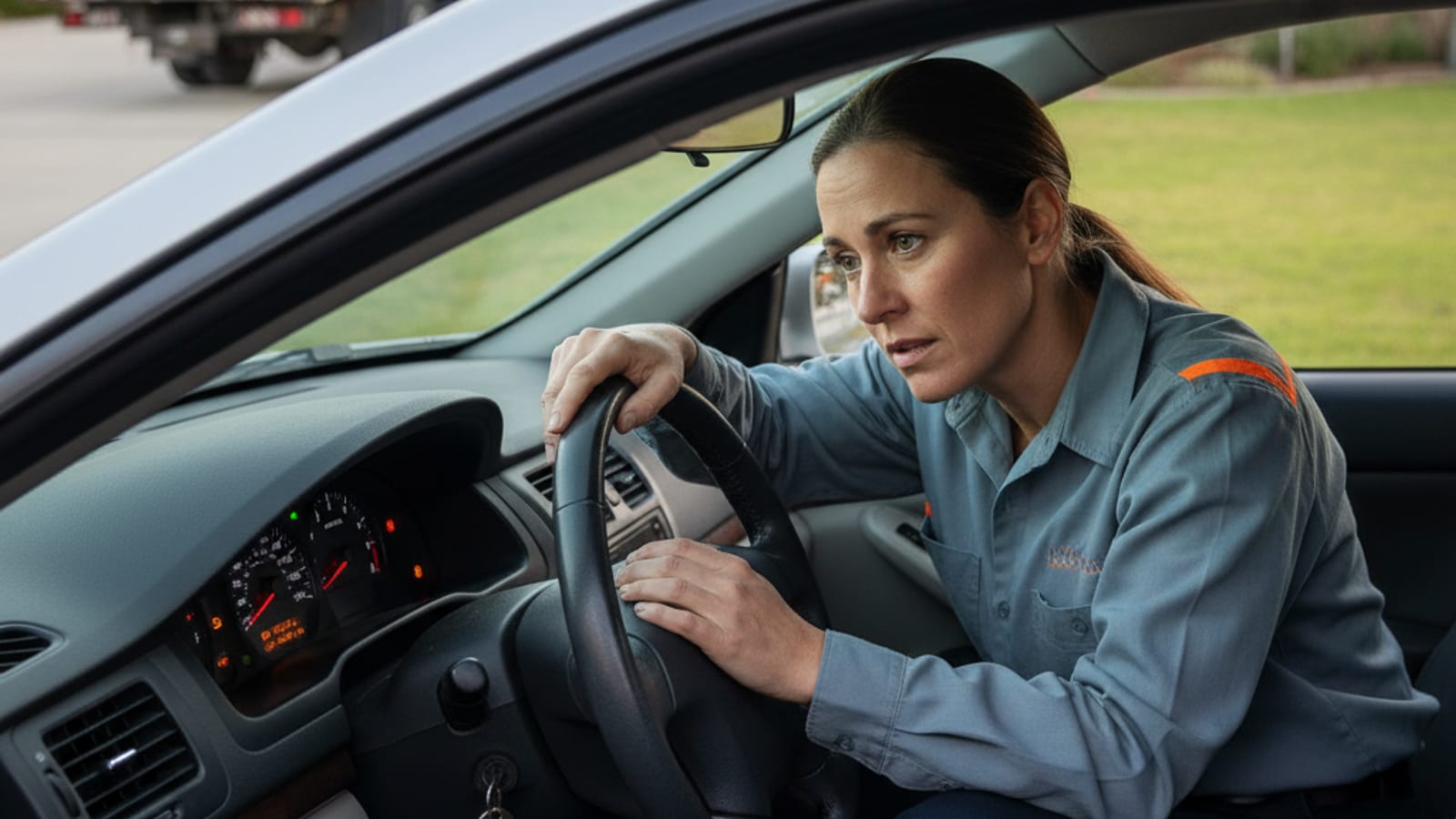
Car will not start - what to check first
Before calling for a tow, check five things first. Most of the time the car is fine and you just need a boost, a fuse, or a key that talks to the transponder.
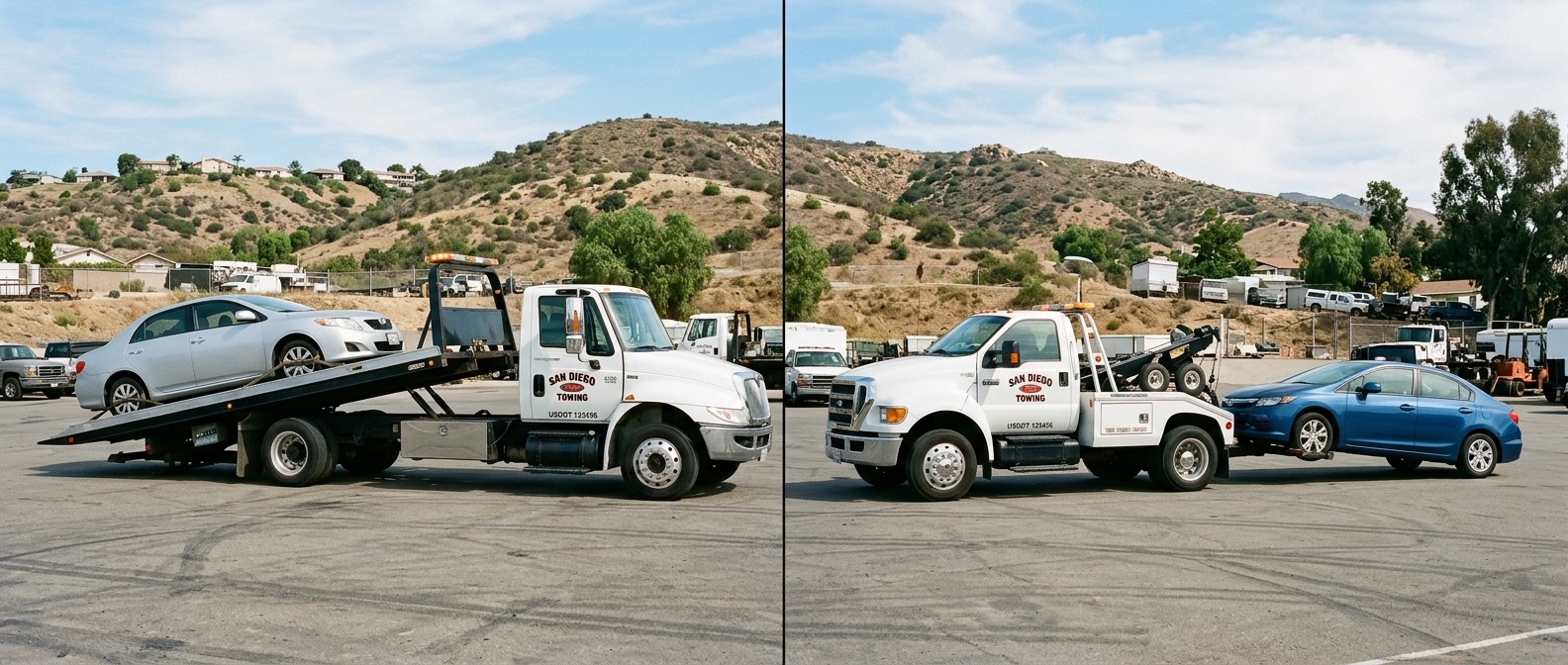
Flatbed vs wheel-lift towing: which is safer?
Both are legitimate tow methods, but the wrong one can wreck your car. Here's which method belongs on which vehicle, and when to refuse a wheel-lift.
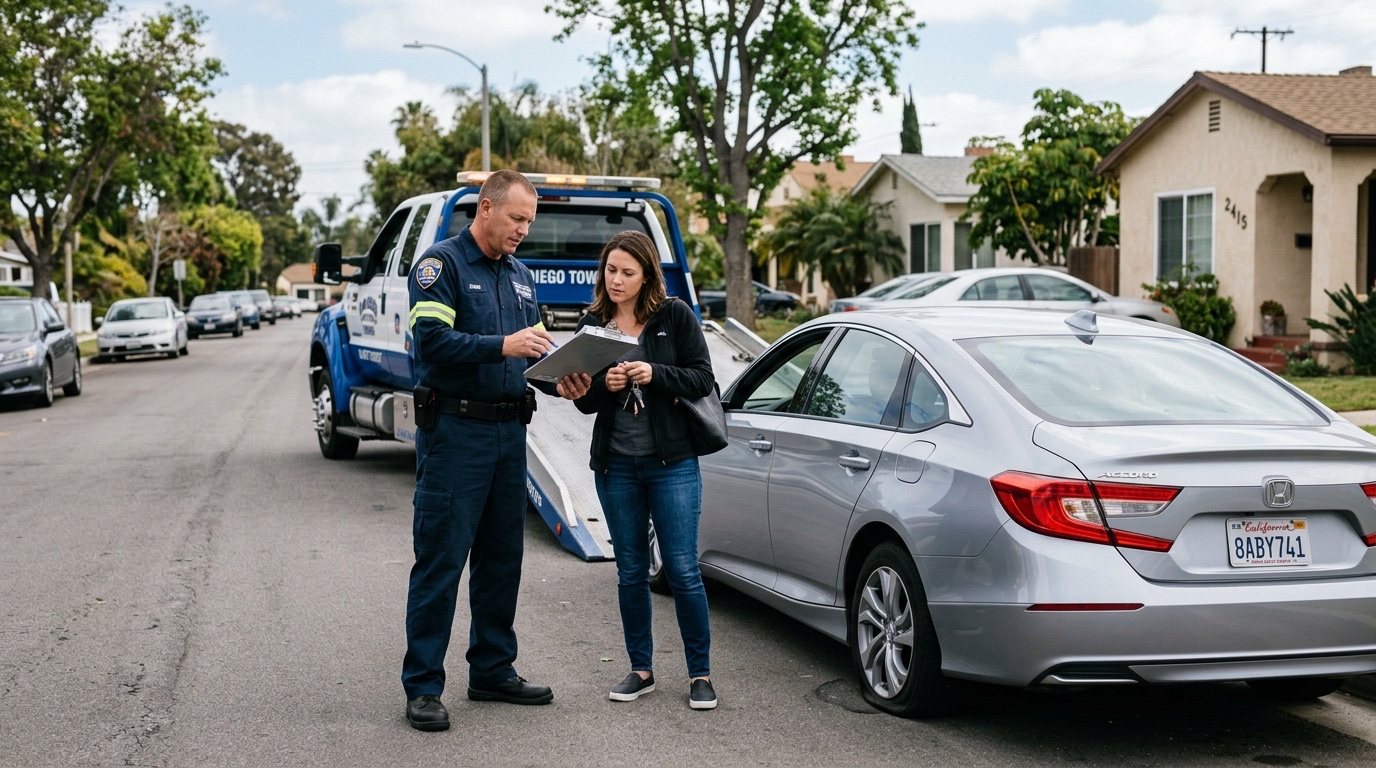
Can a tow truck refuse to take my car in California?
Yes, but only in specific situations under California law and tow-operator policy. Here's when an operator can refuse, and your rights in Los Angeles.
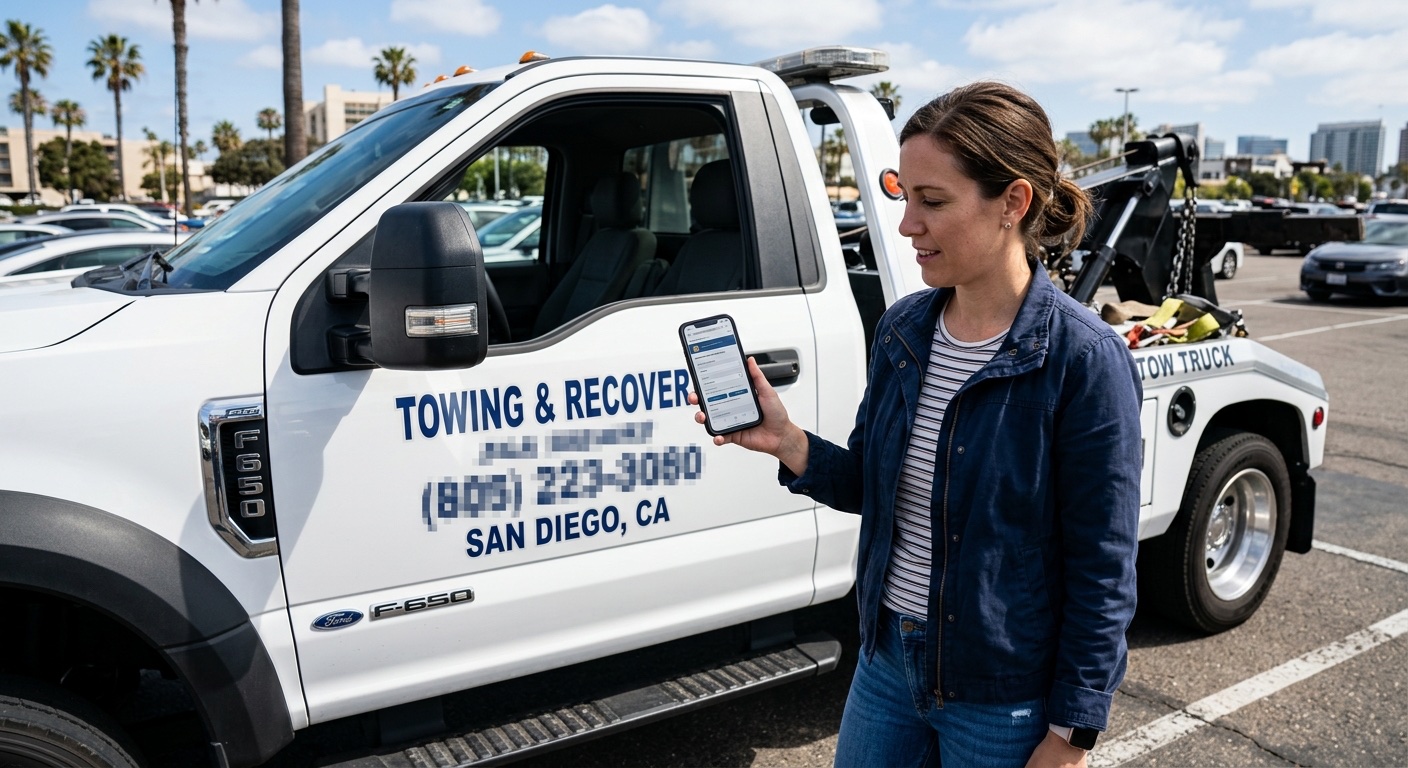
How to verify a Los Angeles tow company is licensed
Anyone can buy a flatbed and a phone number. Verifying a tow operator's CA license, CHP registration, and insurance takes 5 minutes and protects you.
When should you stop and call a tow truck?
Six signs that the problem is past DIY. Turn the system off and pick up the phone - running a system with these issues turns cheap repairs into expensive replacements.
- You are on the shoulder of a busy freeway
The 5, 405, 10, and 110 shoulders are among the most dangerous places to stand in Los Angeles County. Stay in the vehicle with seatbelts on and call for a tow.
- The vehicle was in any collision
Even light collisions can damage suspension, brakes, or the steering rack in ways you cannot see. Drive it after an accident only if law enforcement clears the scene and the vehicle is visibly intact.
- Ignition or dashboard is smoking
Electrical fires can progress from smoke to flames in under a minute. Pull over if you can, turn the engine off, get out, and call 911 plus a tow.
- Smoke or steam from under the hood
Overheating or a serious oil/coolant leak. Continuing to drive can cause a seized engine - a $4,000+ repair. Pull over safely and call for a tow.
- Vehicle is AWD, 4WD, or electric and the drive wheels will not spin freely
Dragging an AWD or EV on a wheel lift destroys the drivetrain. Always flatbed - no exceptions. Tell the dispatcher your make and model when you call.
- Water, mud, or sand up to the door sills
Water-damaged electrical systems start unpredictable fires. Do not try to start the car. Flatbed out of the terrain, tow to a shop for a proper assessment.
What towing laws and safety resources are available?
California Vehicle Code 22658 (Private Property Towing)
The California statute that governs private property towing rights, signage requirements, and release procedures.
CHP.ca.govCalifornia Highway Patrol - Los Angeles
For freeway incidents and reporting. 911 for emergencies, #399 from a cell phone for non-emergency CHP.
CA DMVLos Angeles DMV - Abandoned Vehicle Process
California DMV guidance on reporting and removing abandoned vehicles from private property.
AAAAAA Southern California - Roadside Membership
Primary motor club serving Los Angeles County for standalone roadside coverage.
Still stranded? Call dispatch.
If the guide didn't get you moving, a call will. The line takes calls 24/7 and you get a flat-rate quote before the truck rolls.