A disabled tractor-trailer in Los Angeles needs more than a standard tow truck. When you search for heavy duty towing near me, give dispatch the vehicle, location, cargo, and damage details first. That information helps match your call with a local operator equipped for the job.
What counts as heavy-duty off the Port
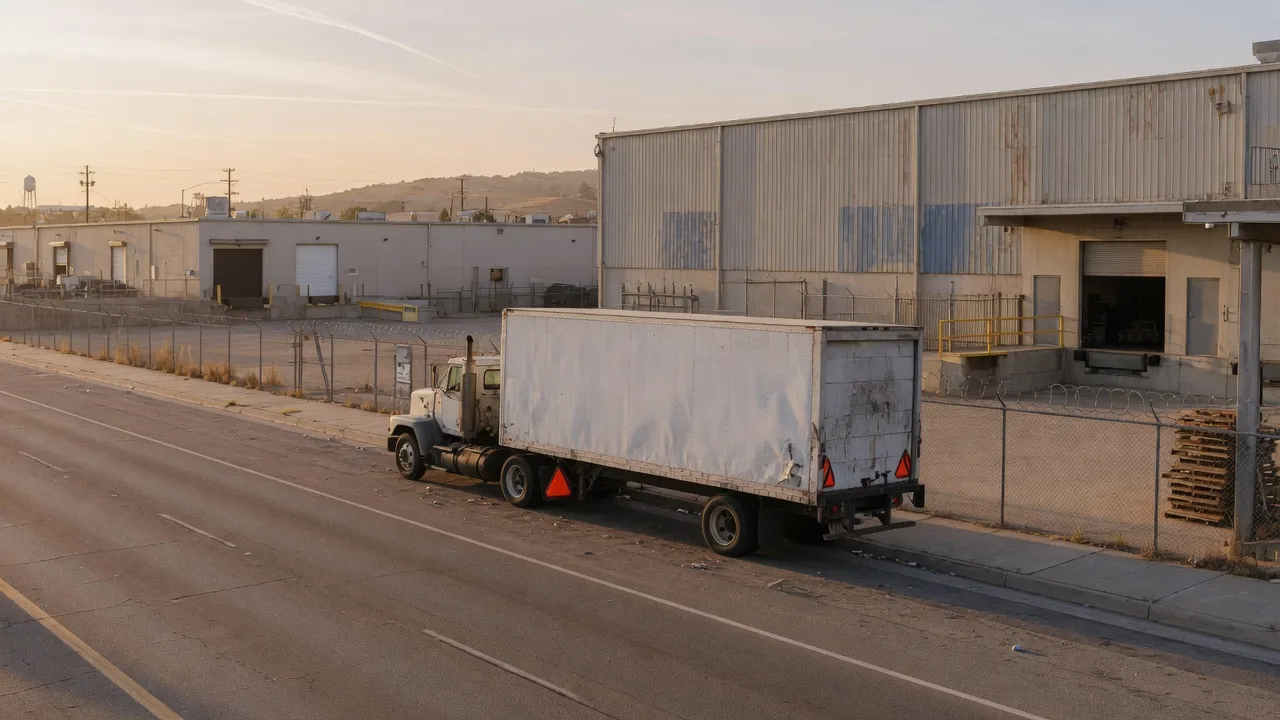
An 18-wheeler is an obvious heavy-duty call. The category can also include buses, large box trucks, construction vehicles, and other commercial units. The correct response depends on the actual vehicle, not the name someone uses for it.
A box truck may look manageable from a distance. Its size, cargo, damage, and position can change what the operator needs. A tractor without its trailer presents a different situation from a complete combination. A bus stopped in a yard also differs from one blocking a travel lane.
That’s why dispatch will ask for identifying details before sending an operator. Useful information includes the vehicle type, trailer status, cargo condition, and visible damage. Photos can help when they clearly show the full unit and its surroundings.
Don’t describe a vehicle as “just a truck” if it has commercial equipment attached. Tell dispatch about liftgates, trailers, construction attachments, or anything hanging beneath the vehicle. Mention whether wheels appear damaged or the unit has left the pavement. Don’t crawl underneath to inspect it.
Quick Tow LA connects drivers and fleet contacts with local towing operators. The operators in our network run the equipment used for these calls. You contract with and pay the operator handling the job.
Our heavy-duty towing service covers commercial vehicle calls across Los Angeles County. Dispatch still needs enough information to select a suitable operator. There isn’t one heavy tow setup that fits every disabled truck.
Boxes, buses, and construction trucks on the 5, 60, and 605
Heavy-duty calls aren’t limited to the Port of Los Angeles. They happen near warehouses, loading areas, industrial streets, and major inland corridors. The 5, 60, 605, and 10 connect many of those locations.
Vernon and Commerce place commercial traffic close to busy industrial blocks. Farther east, City of Industry has warehouses and job sites spread across a broad area. A driver may be near a freeway but still stopped inside a gated yard or loading lane.
Give dispatch the direction of travel and the nearest confirmed exit. A freeway number alone covers too much ground. If you’re off the freeway, provide the street, business entrance, gate, or loading area. Share a map pin when the posted address doesn’t match the truck’s position.
Access matters as much as the city name. Tell dispatch if the vehicle is inside a warehouse complex, beneath an overhang, beside a loading dock, or behind a controlled gate. Mention tight turns, parked trailers, and blocked entrances. The operator can then evaluate the site before committing equipment.
A collision creates a separate recovery problem. A trailer may be angled across lanes, cargo may have shifted, or the truck may be resting away from the roadway. These calls may need accident recovery and winch-out support rather than a simple tow.
Don’t move cargo, disconnect a trailer, or attempt a pull without the proper equipment. Give dispatch an honest picture of the scene. A complete description is far more useful than trying to make the job sound smaller.
What dispatch needs before a heavy wrecker rolls
Start with your exact location. For a freeway call, provide the route, direction, and nearest exit or visible marker. For an industrial property, include the street address and the entrance the operator should use. A warehouse may have separate truck and visitor gates.
Next, describe the entire vehicle combination. Include the tractor, trailer, attached equipment, or anything being carried. Say whether the unit is loaded or empty. If you know the cargo type, share it. Report any placards without guessing what they mean.
Dispatch also needs the vehicle’s condition. Explain why it can’t continue under its own power. Mention collision damage, damaged wheels, steering problems, fluid on the ground, or parts touching the pavement. Don’t approach a dangerous area to collect details.
Describe the truck’s position. Is it upright on pavement, against a curb, in a yard, or off the roadway? Is the trailer straight behind the tractor or sitting at an angle? Are other vehicles or fixed objects limiting access?
Then identify the intended destination. It might be a repair facility, fleet yard, dealer, or another approved location. Confirm that the destination can receive the vehicle before the tow begins. If the move crosses a long distance, our guide to long-distance tow costs explains which job details can affect an operator’s quote without publishing a Quick Tow LA rate.
Have these details ready when you call:
- Exact location and safe access point
- Vehicle type and full combination
- Loaded or empty status
- Visible damage and wheel condition
- Position on or off the pavement
- Cargo or placard information
- Destination and receiving contact
- Photos taken from a safe location
The operator may ask more questions before accepting the call. Answering accurately helps prevent an equipment mismatch. It also gives the operator a clearer basis for discussing the job directly with you.
When CHP or the shipper directs the tow
Control of the tow can change on a freeway or commercial load. If CHP is managing the scene, follow the officer’s directions. Don’t arrange a second operator without confirming what CHP has already ordered.
The California Highway Patrol clears disabled and collision vehicles from CHP-served highways through its Rotation Tow Program. Calls are distributed among operators participating under a Tow Service Agreement. CHP doesn’t publish one uniform statewide towing rate. Participating operators submit rates, and CHP may reject a rate it considers excessive.
A shipper, fleet manager, carrier, broker, or insurer may also direct where the vehicle goes. Confirm who can authorize the move before dispatch. The driver’s preferred repair shop may not match the destination selected by the party controlling the load.
Get the authorization contact’s name and callback details. Confirm whether the tractor and trailer stay together. Also ask whether the destination accepts the vehicle in its present condition. Quick Tow LA can connect you with an operator, but we don’t decide contractual responsibility between the driver, carrier, shipper, and cargo owner.
We couldn’t confirm one blanket Caltrans or CHP rule covering every permit, axle, or special-movement question for these recoveries. Don’t rely on a generic online answer. The operator should confirm any job-specific requirement with CHP or Caltrans when those agencies control the road or movement.
Ask the towing operator about charges before authorizing a private commercial tow. Quick Tow LA doesn’t publish its own rate card. City of Los Angeles police-garage fees also shouldn’t be treated as a price for an unrelated private heavy-duty call.
How this differs from the Port of Los Angeles post
Port-area towing has a narrower setting. It centers on terminal approaches, harbor-area freight movement, and the roads serving the Port. Our separate guide to heavy-duty towing near the Port of Los Angeles addresses that specific environment.
This page covers the broader countywide search. It’s for an 18-wheeler near Commerce, a box truck in Vernon, a bus beside the 5, or construction equipment near City of Industry. It also applies to commercial vehicles moving between inland warehouses and destinations elsewhere in Los Angeles County.
The distinction matters when you describe the location. “Near the Port” may help with a harbor-area call. It’s misleading for a vehicle far inland on the 60 or 605. Dispatch needs the actual road, direction, and access point.
The same applies to destination planning. A truck disabled near a warehouse may need a nearby commercial repair facility. Another may need transport to its fleet yard. A long-distance move brings different destination and receiving questions than a short local tow.
Use the Port guide when the breakdown involves harbor-area access or Port-focused freight movement. Use this countywide guide when the vehicle is elsewhere in Los Angeles County. In either case, don’t focus only on finding a heavy duty tow truck in Los Angeles. Focus on giving dispatch enough accurate information to match the vehicle and scene with the right local operator.
When to call us
A disabled semi, bus, loaded box truck, or construction vehicle isn’t a DIY towing job. We connect drivers, fleets, and property contacts with local operators for heavy-duty towing and recovery calls across Los Angeles County. Call (213) 410-1414 to reach dispatch.