Pickup day goes more smoothly when the car, documents, and access are ready. Before junk car removal, confirm who can release the vehicle and describe its condition accurately.
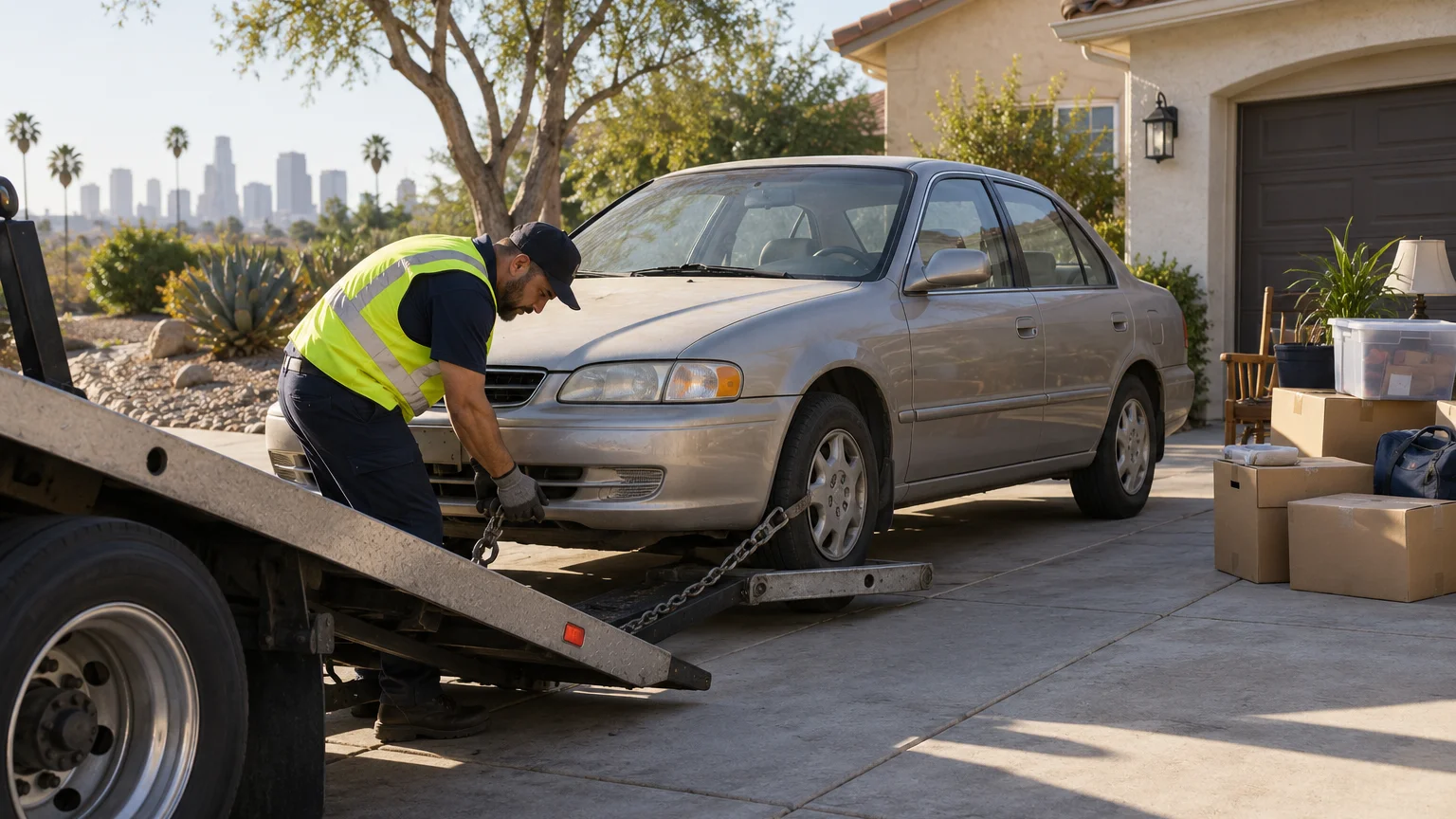
Identify whether the car is yours to release
Start by confirming your connection to the vehicle. Is your name on its ownership documents, or are you handling it for someone else? A pickup company may need different paperwork when an estate, business, relative, landlord, or property manager is involved.
There isn’t one confirmed document rule covering every junk car pickup in California. Requirements can depend on the vehicle, its records, and the company receiving it. Ask the pickup company what it needs before scheduling. If the title is missing, damaged, or lists another person, check with the California DMV before promising the vehicle.
Co-owned vehicles need extra attention. Don’t assume one listed owner can complete the transaction alone. Give the pickup company the names shown on the documents. Ask whether every listed owner must participate or provide authorization. That detail should be settled before a truck is dispatched.
A vehicle left by a former tenant or unknown owner is different. The specific ownership rule for that situation could not be confirmed from the approved claims. Don’t present it as yours or arrange a private sale without confirming the proper process. Our guide to abandoned vehicle laws in Los Angeles County explains the distinction between an unwanted car and an abandoned one.
The California DMV publishes information about its lien-sale and abandoned-vehicle processes. That material is a better starting point when ownership isn’t clear.
Quick Tow LA connects LA County drivers with local, licensed tow and roadside operators. The person releasing the car contracts with the operator. Clear ownership questions with that operator and the DMV first.
Gather the documents the pickup company requests
Don’t guess which documents will be accepted. Contact the pickup company and request its checklist. Keep the answer in writing when possible, especially if the title is missing or the registered owner won’t attend.
A company may request information or documents such as:
- The vehicle identification number
- The year, make, and model
- The license plate, if one is attached
- Ownership or registration documents
- Photo identification
- Keys, remotes, or alarm instructions
- Written authorization from another owner
- Estate or business records, when relevant
This list describes information that may be requested. It isn’t a universal California document rule. The approved claims available for this page don’t confirm one statewide paperwork package for every private junk vehicle transaction.
Compare the identification details before pickup day. The VIN on your paperwork should match the car being collected. Look through the windshield area and other manufacturer-marked locations you can reach safely. Don’t remove panels or crawl under an unstable vehicle to find it.
Photograph the documents you plan to hand over. Cover sensitive details before sending images through an unfamiliar form or text thread. Ask who will receive the files and why they’re needed.
Gather every key you still have, but don’t promise that a missing key is harmless. A locked car with no key may require different loading equipment. Tell the operator before confirming the pickup.
For a focused explanation of title and ownership issues, read our guide to paperwork for junking a car in California. That page covers the paperwork decision. This checklist focuses on preparing for the actual collection.
Clear personal items and check the parking location
Empty the vehicle before the driver arrives. Check the glove box, trunk, center console, door pockets, seat gaps, and spare-tire area. Remove garage remotes, toll devices, parking permits, chargers, sunglasses, tools, child seats, and personal paperwork.
Also remove anything attached for daily use. Look for magnetic keys, rooftop accessories, disability placards, and building access cards. Don’t remove vehicle components after accepting an offer unless the pickup company agrees. A missing battery, catalytic converter, wheel, or radio can change the condition previously described.
Next, inspect the route from the car to the street. The operator needs an accurate picture of the parking location. Note whether the vehicle sits:
- Inside a parking structure
- Behind a locked gate
- In a narrow alley
- On a steep driveway
- Between other vehicles
- Against a wall or garage door
- On soft soil or broken pavement
- Beneath a low ceiling or tree canopy
These details matter across Los Angeles County. An apartment garage in Koreatown presents a different access problem than a hillside driveway in Silver Lake. A South Bay alley differs from an open Antelope Valley property. In parts of the San Fernando Valley, a vehicle may sit behind a home with no straight route to the street.
Measure overhead clearance if the car is inside a garage. Tell the operator about turns, ramps, columns, and gate codes. Don’t move a non-running car into traffic or attempt a homemade pull.
If the car is on a public street, don’t treat junk car pickup as a substitute for an official abandoned-vehicle process. Review the location and ownership situation before using our junk car and abandoned vehicle removal service.
Describe missing wheels, locked steering, or crash damage
The dispatcher needs the car’s real condition, not just “it doesn’t run.” A detailed description helps the referred operator decide what equipment may fit the job.
Start with the basics. Say whether the car rolls, steers, and brakes. Explain whether the transmission can shift into neutral. Report flat tires, missing wheels, seized brakes, locked steering, and lost keys. If you don’t know, say that clearly.
Describe visible crash damage. Mention bent wheels, collapsed suspension, loose body panels, broken glass, or a bumper touching the ground. Tell the dispatcher if the car rests on blocks, wheel dollies, bare hubs, or its frame. Don’t crawl beneath it to inspect hidden damage.
Fluid leaks also deserve a clear warning. Identify the visible location and color without touching or tasting anything. Keep people and pets away from the area. If the vehicle is near moving traffic or presents an immediate road hazard, junk removal planning isn’t the first priority. Follow safe roadside guidance from the National Highway Traffic Safety Administration and contact the proper emergency authority when needed.
Photos can clarify access and damage. Take wide images showing the whole vehicle and its route to the street. Add close views of missing wheels, damaged corners, and blocked sides. Avoid showing faces, house numbers, or unrelated license plates.
Tell the operator if the car is an electric vehicle, hybrid, motorcycle, oversized vehicle, or heavily stripped shell. Don’t assume one truck handles every configuration.
Accurate condition details protect the pickup plan. They also reduce the chance of a disagreement when the driver sees the car. For questions about sale value rather than loading preparation, read how cash offers for junk cars in Los Angeles work.
Confirm the offer and pickup terms before arrival
Review the agreement before the pickup vehicle starts toward you. Quick Tow LA doesn’t buy vehicles or set the operator’s offer. You contract with and pay, or receive payment from, the operator involved.
Ask for the offer and pickup terms in writing. Confirm what vehicle the offer covers and whether it depends on the condition you described. Include the year, make, model, VIN, location, missing parts, and major damage.
The approved claims don’t establish a standard junk car value, free-removal promise, or payment method. Confirm each of those details directly with the pickup company. Don’t rely on a general advertisement or an earlier phone conversation.
Your written confirmation should address:
- The agreed offer, if the vehicle is being purchased
- Any pickup charge or deduction
- The payment form and timing
- The documents required at handoff
- Who must be present
- What happens if the driver finds undisclosed damage
- Whether keys are required
- Whether plates or other items stay with the vehicle
- What receipt or transfer record you’ll receive
Ask which company will appear at the property. Save the company name and dispatch contact from your booking. When the vehicle arrives, verify that the driver and company match the arrangement before releasing keys or documents.
Don’t sign blank forms. Read each field and keep a copy of anything you sign. Check that the vehicle details and agreed amount match your written confirmation. If the terms change at pickup, pause. You can ask for an explanation before deciding whether to continue.
Los Angeles traffic, gated properties, parking restrictions, and narrow streets can affect where loading is possible. Give the operator accurate access details during scheduling. Keep the area around the car open, but don’t reserve public space through cones or objects unless you have proper authority.
When to call us
Call when a non-running, damaged, or incomplete vehicle needs professional loading rather than a DIY pull. We can connect you with a local, licensed operator serving Los Angeles County. Call (213) 410-1414 to reach dispatch.